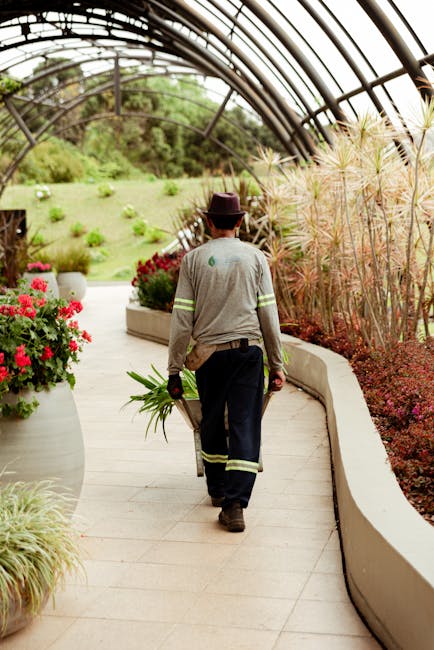
RHS Garden Wisley event cleanup services in Surrey

If you are planning or supporting an event at RHS Garden Wisley, the clean-up stage can matter just as much as the setup. Spaces that look effortless at the start rarely stay that way after a full day of guests, catering, signage, floristry, loading bays, and the usual last-minute bustle. RHS Garden Wisley event cleanup services in Surrey help bring order back quickly, safely, and with as little disruption as possible.
That might sound straightforward, but it rarely is. Venues like Wisley have their own rhythms, access points, presentation standards, and expectations around noise, waste, and tidiness. A good clean-up team understands that the job is not just "clear the rubbish." It is about restoring the site properly, protecting surfaces, separating recyclables, and leaving the venue ready for whatever comes next. In this guide, we will walk through what this service involves, why it matters, how it works, and how to choose the right approach for your event.
And yes, if you have ever looked at a marquee site at 10pm and thought, "Right, where do we even begin?" - you are in the right place.
- Why event clean-up at RHS Garden Wisley matters
- How the clean-up process works
- Key benefits and practical advantages
- Who needs this service and when it makes sense
- Step-by-step guidance
- Expert tips for better results
- Common mistakes to avoid
- Tools, resources and recommendations
- Law, compliance, standards, and best practice
- Options, methods, and comparison
- Case study / real-world example
- Practical checklist
- Conclusion
- Frequently asked questions
Why RHS Garden Wisley event cleanup services in Surrey Matters
RHS Garden Wisley is not a generic event site. It is a high-profile setting with gardens, visitor areas, and carefully maintained grounds. That changes the clean-up brief immediately. After an event, you are not simply trying to make things "look tidy" for a quick handover. You are trying to return the venue to a standard that respects the site, protects the landscape, and keeps the next operation smooth.
For organisers, this matters for a few very practical reasons. First, there is the visual side: stray cups, confetti, catering waste, tape, or cable ties can spoil the impression of a well-run event. Then there is the operational side: delays in clearing a site can affect staff, contractors, and venue teams who need access early the next morning. And finally, there is the reputational side. If you are responsible for an event at a venue like Wisley, people remember whether the whole operation felt polished from start to finish.
There is also a deeper point. Outdoor and garden venues demand more careful handling than plain indoor spaces. A dropped item in long grass, muddy footprints on hard standing, or glass fragments near walkways can become a problem very quickly. So the clean-up service is not just a convenience; it is part of the event's duty of care.
Expert summary: at a venue like RHS Garden Wisley, post-event cleaning is best treated as a planned operational task, not an afterthought. The earlier it is built into the event plan, the easier the final handover becomes.
How RHS Garden Wisley event cleanup services in Surrey Works
Every event is different, but the clean-up process usually follows a familiar pattern. The details vary depending on the size of the function, the layout of the venue, and the type of waste involved. A wedding reception with floral installations is not the same as a brand launch, and neither is the same as a staff event with catering trucks and temporary signage. Obvious, perhaps, but worth saying.
1. Pre-event planning
Good clean-up starts before the first guest arrives. The team should know the schedule, entry points, loading arrangements, waste collection points, and any venue restrictions. A proper plan helps avoid a common headache: everyone assuming someone else knows where the bins are. That happens more often than people like to admit.
2. Zoning and task allocation
The site is usually divided into zones such as guest areas, catering zones, service routes, toilet facilities, storage areas, and outdoor spaces. Each zone needs a different approach. For example, a guest pathway may need litter picking and surface wipe-downs, while a back-of-house area may need heavier waste removal and floor cleaning.
3. Removal of event waste
This is the obvious bit, but it still needs doing well. Waste may include packaging, food waste, disposable service items, decorations, cable ties, signage, and broken or damaged materials. Depending on the event, there may also be recyclable materials that should be separated rather than mixed into general waste.
4. Surface cleaning and reset
Once waste is removed, the service turns to the finishes: tables, chairs, temporary structures, floors, mats, hard surfaces, and any equipment left behind. In a venue with delicate or premium presentation standards, this phase matters a lot. The goal is not just cleanliness; it is restoration.
5. Final sweep and handover
A proper final sweep catches the bits that are easy to miss: a forgotten brochure, a glass bottle tucked behind a planter, adhesive residue, muddy shoe marks, or scattered flower stems. Then comes handover. Ideally, someone checks the site against the plan rather than just taking a quick glance and hoping for the best. Hope is not a strategy, as they say.
If needed, a broader commercial cleaning approach can be adapted for event spaces, especially when the work includes toilets, hospitality areas, staff spaces, or larger shared facilities.
Key Benefits and Practical Advantages
The biggest advantage of using a dedicated event clean-up service is peace of mind, but let's be a bit more precise than that. There are several practical benefits that make a noticeable difference on the day and the day after.
- Faster site turnaround: the venue is cleared efficiently, which matters when access windows are tight.
- Better presentation: guests, venue staff, and suppliers all notice a site that ends as neatly as it began.
- Less stress for organisers: you are not scrambling with bins, boxes, and borrowed bin bags at the end of the night.
- Safer walking routes: litter, broken items, and spillages are dealt with before they become hazards.
- More responsible waste handling: recyclable materials can be separated where appropriate, and general waste can be removed properly.
- Protection of the venue: careful cleaning helps reduce wear to flooring, surfaces, and landscaped surroundings.
There is also a quiet commercial benefit. Clean, efficient post-event work supports the organiser's reputation. If you run events regularly, that matters. If you are hosting a one-off celebration, it still matters, just in a different way. Nobody wants their final memory of a lovely event to be a scruffy exit scene with half-folded tables and leftover confetti caught in the breeze.
Some clients also combine event clean-up with one-off cleaning when they need a targeted clean rather than a recurring service. That can be useful for temporary venues, pop-up functions, or a single major gathering.
Who This Is For and When It Makes Sense
Not every event needs the same level of clean-up support, but many more events benefit from it than people expect. If you are hosting at RHS Garden Wisley, you are likely dealing with a venue where presentation, timing, and attention to detail really count.
Typical users include:
- Event organisers managing private functions, launches, or receptions
- Catering teams that need a reliable reset after service
- Exhibitors and suppliers with temporary structures or display materials
- Wedding planners coordinating a tight handover schedule
- Corporate teams wanting a smooth finish after a brand or staff event
- Venue support teams who need extra hands for peak turnover periods
It makes the most sense when the event includes any of the following: significant guest numbers, food and drink service, temporary staging, outdoor areas, fragile decorations, or a short turnaround before the venue must be used again. In those situations, clean-up becomes a part of event management, not a separate chore.
Sometimes people try to save money by asking "a few volunteers" to handle the end of the night. That can work for very small gatherings. But once the site is larger, the risks increase quickly: missed waste, tired staff, rushed sorting, and the occasional mystery item left under a table. Truth be told, a professional clean-up team usually pays for itself in saved time and fewer problems.
Step-by-Step Guidance
Here is a simple way to think about the process from start to finish. If you are planning a clean-up at Wisley or a similar Surrey venue, this structure keeps the work manageable.
- Review the event plan. Note guest numbers, event finish time, supplier exit times, waste volumes, and access restrictions.
- Walk the venue in advance. Identify waste points, storage locations, service routes, and any areas needing careful handling.
- Assign responsibilities. Decide who clears what, who does the final check, and who signs off the site.
- Prepare equipment. Bring the correct sacks, bins, gloves, trolleys, cloths, and cleaning products for the surfaces involved.
- Clear visible waste first. Remove larger items before dealing with smaller debris. It simply makes the work less messy.
- Sort recyclable material where practical. Separate clean recyclables from general waste when the event setup allows it.
- Clean touchpoints and surfaces. Tables, counters, handles, and shared equipment usually need a wipe-down.
- Check hidden areas. Behind planters, under staging, around service tents, and along edges where debris often gathers.
- Do a final inspection. Use a simple checklist and walk the space slowly. A second pair of eyes is handy here.
- Confirm handover. Make sure the site is left in the agreed condition and nothing has been overlooked.
A small time-saving tip: do not leave all waste collection until the very end if you can avoid it. A light tidying pass during the event, especially in back-of-house areas, can make the final close-down much easier. It sounds obvious. People still forget.
Expert Tips for Better Results
There are a few habits that consistently improve clean-up outcomes. These are the sort of small operational details that save headaches later.
- Plan for the exit route before the event starts. If waste needs to leave through a particular service gate or loading area, make sure everyone knows early.
- Use clear waste stations. When bins are well placed and visibly labelled, guests and staff are more likely to use them correctly.
- Keep delicate items separate. Flowers, props, printed signage, and reusable decor should not end up mixed in with general rubbish if they can be reused or repurposed.
- Choose cleaning products carefully. Some surfaces, especially polished finishes or specialist flooring, need gentler treatment.
- Build in a final sweep window. Give the team enough time to check the site properly. Rushing the last 15 minutes is where mistakes multiply.
- Document anything unusual. If there is damage, a spill, or a missing item, record it straight away so it can be resolved without guesswork.
If your event includes carpets, rugs, or upholstered seating, a targeted service such as carpet cleaning can be helpful after heavy footfall or accidental spills. For softer furnishings, upholstery cleaning may also be worth considering if marks or odours are left behind.
One practical observation from real-world event work: the mess you see is rarely the only mess. Crumbs, glitter, cable clips, leaf litter, and bits of tape tend to hide in plain sight, especially in outdoor settings. A careful sweep is worth it every time.
Common Mistakes to Avoid
Most post-event problems are surprisingly predictable. The good news is that once you know the usual traps, they are much easier to avoid.
- Leaving clean-up to the final ten minutes. That is how teams end up rushing and missing obvious debris.
- Underestimating waste volume. Events often create more packaging, food waste, and broken-down material than expected.
- Skipping the site walk-through. Without one, small hazards get missed.
- Using the wrong tools. A few cloths and bin bags are rarely enough for a proper site reset.
- Ignoring access rules. If loading or parking arrangements are not respected, the whole job slows down.
- Mixing recyclables and general waste. This is easy to do in a hurry, but it reduces responsible waste handling.
- Forgetting touchpoints and hidden corners. Guest-visible areas may look fine while service areas are still untidy.
Another mistake, and a very human one, is assuming the venue team will "catch the rest." Sometimes they will, sometimes they absolutely will not. Better to leave the place in good shape yourself.
Tools, Resources and Recommendations
For a smooth event clean-up, the right equipment matters almost as much as the team using it. You do not need a warehouse of specialist kit, but you do need the basics properly thought through.
Useful tools and materials
- Heavy-duty waste sacks and clear bin liners
- Gloves suitable for waste handling
- Microfibre cloths and general-purpose wipes
- Brooms, dustpans, brushes, and lidded waste containers
- Trolleys or carts for moving collected waste
- Spill kits for drinks or catering mishaps
- Surface-safe cleaning products matched to the material being cleaned
- Labels or colour-coded sacks for sorting waste streams
On larger events, it can also help to have a detailed site map, a contact list for suppliers, and a sign-off sheet for the final inspection. Nothing fancy. Just simple paperwork that stops confusion later.
For clients needing broader cleaning support in Surrey, services like deep cleaning can be useful where a venue needs a more intensive reset after a busy event. If the space is part of a business environment, office cleaning principles may also apply to meeting rooms, shared work areas, or administrative spaces used during the event.
And if the event is being used as part of a larger venue programme, it can be smart to pair the clean-up with ongoing upkeep. For example, some organisers combine event support with regular cleaning so the site stays in consistent condition between bookings.
Law, Compliance, Standards, or Best Practice
Without drifting into legal jargon, it is fair to say that event clean-up needs to sit within sensible UK health, safety, and waste-handling expectations. That usually means looking after staff safety, using suitable equipment, handling waste responsibly, and avoiding preventable hazards for guests and venue workers.
In practical terms, that may involve risk assessments, safe manual handling, suitable personal protective equipment, and clear communication about what can and cannot be disposed of on site. If the event includes food waste, sharp items, glass, or anything potentially hazardous, the team should handle those materials carefully and in line with the agreed site procedure.
Where sustainability is a priority, waste separation and recycling practices become especially important. At busy venues, a little organisation goes a long way. Mixed waste is quicker in the moment, sure, but it can create avoidable disposal issues and make responsible recycling harder than it needs to be.
If your clean-up team is operating across commercial spaces, it is sensible to check health and safety policy details, as well as insurance and safety arrangements, before the event. That is not bureaucracy for its own sake. It is what helps everyone stay protected when the pace gets busy and the floor starts filling up with cases, cables, and half-finished coffee cups.
For environmentally conscious planning, a strong recycling and sustainability approach is worth discussing early rather than after the event. It usually results in cleaner handovers and fewer awkward questions later on.
Options, Methods, or Comparison Table
There are several ways to handle event clean-up. The right method depends on event scale, risk, budget, and how quickly the site must be turned around.
| Method | Best for | Strengths | Trade-offs |
|---|---|---|---|
| In-house event staff clean-up | Small gatherings with light waste | Simple, familiar, lower immediate spend | Often slower, less thorough, staff are tired at the end |
| Combined venue and organiser clean-up | Medium events with shared responsibility | Flexible, can work well with clear task split | Needs good communication or tasks get duplicated or missed |
| Dedicated professional event clean-up | Large, premium, or time-sensitive events | Efficient, structured, better quality control | Requires planning and budget allocation |
| Deep post-event reset | Events causing heavy mess or surface residue | More thorough, better for high-traffic or high-touch areas | Can take longer and may require specialist methods |
For many Wisley-style events, the most sensible choice is a dedicated professional clean-up, with any special tasks added on where needed. That gives the organiser certainty, and it reduces the chance of a last-minute scramble. If the event involved food service, temporary structures, or several different zones, this approach is usually the least stressful option by a long shot.
Some organisers also prefer a combination approach: a quick team-led tidy during breakdown, followed by a final professional sweep. That can work nicely, especially when the venue has a narrow handover window.
Case Study or Real-World Example
Picture a late-summer corporate garden event at a Surrey venue like Wisley. Guests have moved from drinks to dinner, the evening has been warm, and there are plenty of small disposable items across the site: napkins, catering packaging, glassware, table decor, and damp patches near service points from ice buckets and spillages. Nothing dramatic. Just the usual honest mess of a successful event.
The organiser's original plan was to have the internal team clear everything after guests left. In practice, by the time speeches finished and the last supplier box was sealed, the team was running on fumes. So the clean-up plan was tightened: one group handled obvious waste and packing, while a professional crew focused on detailed site clearing, surface wipe-downs, and final inspection.
The result was simple but effective. The site was handed back in good order, the event team did not lose half an hour hunting for missing waste bags, and the next morning's venue checks were calm rather than frantic. More importantly, the outdoor areas were left tidy enough that nothing distracted from the venue itself. That is really the point. A good clean-up should disappear into the background.
This kind of outcome is not about glamour. It is about coordination, timing, and a bit of steady discipline. The unexciting bits, done properly, often make the biggest difference.
Practical Checklist
Use this checklist before, during, and after your event clean-up. It keeps things grounded when the day gets busy.
- Confirm the event finish time and cleanup access window
- Review the venue layout and service routes
- Identify waste streams and recycling opportunities
- Prepare enough bin liners, gloves, and cloths for the job
- Assign who handles guest areas, back-of-house, and outdoor spaces
- Check whether any items are reusable, returnable, or need separate handling
- Plan for spills, glass, or other breakages
- Do a first pass to remove large waste quickly
- Carry out a detailed sweep of hidden corners and edges
- Wipe down touchpoints and leave surfaces presentable
- Complete a final walk-through with someone responsible
- Record any damage, missing items, or unusual issues
Quick reminder: if the clean-up feels too tight to manage comfortably, that is usually a sign to bring in more support rather than push the team harder. A calm handover is almost always worth the effort.
Get a free quote today and see how much you can save.
Conclusion
RHS Garden Wisley event cleanup services in Surrey are about more than simply clearing waste. They help protect the venue, support a smooth handover, and leave your event with the kind of finish people remember for the right reasons. When the clean-up is planned properly, the whole event feels more professional, less stressful, and frankly more respectful of the setting.
If you are deciding how much support you need, start with the site itself: the access, the waste volume, the timing, and the standard you need to return it to. Then build from there. Small events may only need a light-touch approach, while larger functions benefit from a structured team with clear responsibilities and the right equipment. Either way, a thoughtful clean-up plan is one of those quiet things that makes everything else work better.
And once the last bag is gone, the tables are clear, and the space settles back into calm, you can actually enjoy the fact that the hard part is over. That is a good feeling. A proper one.
Frequently Asked Questions
What do RHS Garden Wisley event cleanup services in Surrey usually include?
They usually cover waste removal, litter picking, surface wipe-downs, reset of event areas, clearing of back-of-house spaces, and a final site inspection. Depending on the event, they may also include recycling separation, spill response, and cleaning of temporary setups.
Is event clean-up different at a garden venue like Wisley?
Yes. Garden venues often need more care around outdoor surfaces, landscaped areas, visitor routes, and delicate presentation standards. Debris can also hide more easily in planting beds, paths, and lawn edges, so a careful final sweep matters more than people expect.
How far in advance should I arrange post-event cleaning?
As early as possible. The more complex the event, the sooner you should line up the clean-up plan. That gives time to confirm access, staff numbers, waste handling, and any venue-specific requirements. Last-minute booking can work sometimes, but it is not ideal.
Can event clean-up include recycling and sustainability measures?
Yes, and it often should. Many events produce recyclable cardboard, plastic packaging, and other materials that can be separated where practical. A sensible recycling plan helps reduce mixed waste and supports a cleaner handover.
What happens if there is spillages or broken glass?
Those should be dealt with promptly and safely. Good event clean-up teams will use the right tools and follow a careful process for hazardous debris. Broken glass should never be treated casually, especially in guest areas or around lawns and pathways.
Is this service suitable for weddings and private celebrations?
Absolutely. Weddings, receptions, and private celebrations often create a lot of decorative material, food waste, and packing debris. A proper clean-up service helps the host enjoy the evening without worrying about the aftermath.
Do I need a deep clean after every event?
Not always. A lighter clean-up may be enough for smaller or tidier functions. But if there has been heavy guest traffic, food service, outdoor activity, or visible residue on surfaces, a deeper clean may be the better choice. It depends on the event, not a fixed rule.
How do I know whether to use in-house staff or professionals?
If the event is small, low-risk, and not time-sensitive, in-house staff may be enough. If the site is large, the turnaround is tight, or presentation standards are high, professional support is usually the safer bet. To be fair, the tiredness factor alone can tip the balance.
What should I ask before booking event clean-up?
Ask what is included, how waste will be handled, whether recycling is supported, what equipment is brought, what access is needed, and how the final handover is managed. You should also confirm insurance and health and safety arrangements before the day.
How long does a typical event clean-up take?
That depends on the size of the event, the amount of waste, the layout of the site, and whether specialist cleaning is required. A small tidy may take little time, while a larger post-event reset can take much longer. The safest answer is: plan for more time than you think you need.
Can clean-up teams work around venue restrictions and access times?
Yes, if the plan is agreed properly in advance. Good event clean-up work is built around the venue's rules, loading windows, and any access limitations. That is one reason why pre-event communication matters so much.
What is the biggest mistake people make with post-event cleaning?
The biggest mistake is usually leaving it too late and underestimating the amount of work involved. Once guests leave and the lighting drops, even simple tasks take longer. A structured plan, clear responsibilities, and a final inspection go a long way.