Guildford GU1 Cleaning Services Local Guide
If you live, work, rent, or run a property in Guildford GU1, cleaning can become one of those jobs that quietly grows legs. A quick tidy turns into a full reset. A rental move-out needs more than a vacuum. An office in the town centre picks up daily dust, fingerprints, and the usual footfall grime. This Guildford GU1 cleaning services local guide is here to make the whole thing easier to judge, plan, and book without guesswork.
In plain English: you will get a local-friendly overview of the main cleaning options, what to expect from a professional service, how to compare jobs, and which mistakes tend to cost people time or money. We will also look at practical best practice, common service types like deep cleaning, end of tenancy cleaning, and regular cleaning, plus the checks worth making before you confirm anything. Not glamorous. Very useful though.
Expert summary: The best cleaning choice in GU1 usually depends on property type, urgency, access, and the finish you actually need. A sensible quote is one that matches the scope, not just the headline price.
- Use this guide if you need domestic, rental, commercial, or one-off cleaning in Guildford GU1.
- Compare service scope, not just hourly rates.
- Ask about insurance, safety, and what is included before work starts.
- Match the service to the situation: reset, maintenance, move, or specialist treatment.
Table of Contents
- Why Guildford GU1 cleaning services local guide matters
- How Guildford GU1 cleaning services local guide works
- Key benefits and practical advantages
- Who this is for and when it makes sense
- Step-by-step guidance
- Expert tips for better results
- Common mistakes to avoid
- Tools, resources and recommendations
- Law, compliance, standards, or best practice
- Options, methods, or comparison table
- Case study or real-world example
- Practical checklist
- Conclusion
- Frequently asked questions
Why Guildford GU1 cleaning services local guide Matters
Guildford GU1 has a mix of homes, flats, shared buildings, offices, rental properties, and busy commercial spaces. That matters because cleaning needs in the area are rarely one-size-fits-all. A Victorian terrace near the centre may need different care from a modern apartment block, and a letting agent's end-of-tenancy checklist is a very different beast from a weekly household clean.
That is the main reason a local guide helps. It brings the decision back to reality: what kind of property do you have, how much time do you have, and what standard does the space need to reach? If the goal is to hand back keys, prepare for new tenants, or simply get on top of a home that has drifted into chaos, the right cleaning plan saves a lot of faff.
Local context also matters for access and logistics. GU1 includes busy roads, limited parking in some streets, and varied access in flats and shared properties. A cleaner may need building entry instructions, parking details, or an expected arrival window. If that is not planned well, the job can start slowly. Nobody wants that awkward first ten minutes where everyone is searching for a key safe or a visitor bay.
The guide also matters because cleaning services are not just about appearance. They can support hygiene, reduce allergens, protect surfaces, and help a property feel more settled. For landlords, agents, business owners, and homeowners alike, a reliable clean can make a noticeable difference in how a space is experienced. You know that moment when a room smells fresh, not just looks fresh? That is the difference people notice.
How Guildford GU1 cleaning services local guide Works
Most professional cleaning services in Guildford GU1 follow a simple pattern: they assess the job, agree what is included, schedule a visit, and complete the work using the right equipment and products for the task. The details vary, but the overall flow is usually straightforward.
First comes the scope. This is the bit people often rush. A cleaner may offer one-off cleaning for a reset, house cleaning for broader domestic needs, or specialist treatment for fabrics and hard surfaces. The scope should define rooms, surfaces, stubborn marks, extras, and access conditions. Clear scope = fewer surprises. Simple, but it really matters.
Next is the method. A standard clean is usually lighter and maintenance-focused. A deep clean goes further into built-up grime, edges, fixtures, and areas that are skipped in a regular routine. If you are moving, move-in cleaning or move-out cleaning may be more suitable because they focus on reset rather than upkeep. And if the property has just had work done, after builders cleaning is usually the relevant option because dust gets everywhere. Seriously, everywhere.
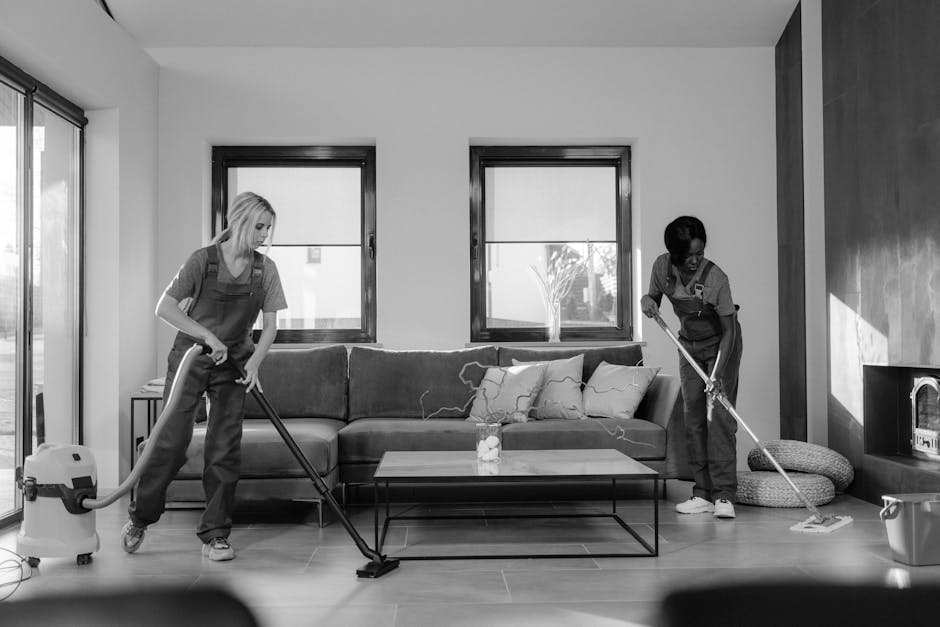
Then comes the delivery stage. A decent team will bring the right tools, protect surfaces where needed, and work room by room in a logical order. In homes, this often means starting high and working down: cobwebs, ledges, fixtures, surfaces, then floors. For commercial premises, cleaning may be scheduled before opening or after hours to avoid disruption. That is especially true for office cleaning and larger commercial cleaning work.
Finally, there should be a sensible wrap-up: inspection, touch-ups if agreed, and confirmation of what has been completed. The best services do not hide the process. They explain it, keep it practical, and leave you with a cleaner space rather than a vague promise.
Key Benefits and Practical Advantages
The obvious benefit is a cleaner property. But in Guildford GU1, the practical advantages go a bit further than that.
- Time saved: If you are balancing work, family, commute, or tenancy deadlines, outsourcing the clean can save an entire weekend.
- Better finish: A professional service usually reaches the details people miss, like skirting edges, taps, behind appliances, and stubborn corner buildup.
- Reduced stress: There is something oddly calming about handing over a job that has been hanging over you for days.
- Property presentation: This matters for lettings, viewings, guest stays, and client-facing premises.
- Surface care: Correct methods help protect carpet, upholstery, floors, and fittings rather than scrubbing them into trouble.
- More predictable outcomes: A booked scope with a defined standard is usually far safer than a rushed DIY clean done after work at 9:30pm.
There is also a trust angle. A clear, professional cleaning service shows you what is included, how safety is handled, and what kind of finish you can expect. If you are comparing providers, it is worth looking at company information such as about us, insurance and safety, and health and safety policy. Those pages tell you a lot about how seriously a business takes its work.
Who This Is For and When It Makes Sense
This guide is useful for a lot of people, and the needs are not identical.
Homeowners and busy households
If your home in GU1 is getting away from you, regular support can help you stay on top of the basics. A recurring schedule often works well for people juggling school runs, hybrid working, or simply a house that never quite stays tidy for long. In those cases, domestic cleaning or regular cleaning is usually the most sensible starting point.
Renters and landlords
Tenancy changes create pressure. Renters often need a reliable reset before handing keys back, while landlords and agents want a property returned in a presentable state. That is where end of tenancy cleaning tends to be the strongest fit. If the property is being handed over to someone new, move-in cleaning also makes a big difference.
Businesses and offices
GU1 includes professional spaces that need clean floors, tidy common areas, and a consistent standard. For these sites, office cleaning or commercial cleaning is typically more appropriate than ad hoc domestic support. Different rhythms, different expectations.
Short-let hosts and guest stays
Short-let and holiday lets move quickly. Check-in windows are tight, and guests notice everything from bathroom shine to bin smells. If you host locally, Airbnb cleaning is built around speed, consistency, and presentation.
It also makes sense for people dealing with very specific issues: stained carpets, pet odours, tired sofas, a grim oven, or post-renovation dust. That is when specialist work becomes more efficient than trying to tackle everything with the same spray and a bit of hope.
Step-by-Step Guidance
If you are planning a cleaning booking in Guildford GU1, this is the process I would recommend.
- Define the actual problem. Are you maintaining a home, preparing a property for new occupants, or trying to rescue a space after building works? The right service depends on that answer.
- List the rooms and surfaces. Bedrooms, bathrooms, kitchen, hallway, carpets, upholstery, hard floors, windows, appliances. Be specific. The more specific you are, the better the quote usually is.
- Decide what needs specialist care. For example, carpets may need carpet cleaning or even steam carpet cleaning, while sofas and chairs may need sofa cleaning or upholstery cleaning.
- Ask what is included. This is where a lot of misunderstandings happen. Bathrooms? Inside cupboards? Oven? Window frames? If it matters to you, ask.
- Check access and parking. In GU1, access can be a real factor. Mention entrance details, lifts, permits, visitor bays, or stair-only access early.
- Review safety and payment information. Look at payment and security and confirm how payment is handled before the job begins.
- Book with realistic timing. A tight time slot can be fine for a light job, but a full reset needs enough time. Rushing cleaning is how corners get cut. Literally and otherwise.
- Walk through the result. Once finished, check the areas that matter most to you: bathrooms, kitchen, floors, and any high-touch surfaces.
One useful trick: if you are unsure whether you need a full deep clean or a lighter visit, describe the property as if you were explaining it to a friend who has never seen it. That tends to produce a much clearer brief. Oddly enough, that works better than half the formal forms people fill in.
Expert Tips for Better Results
Here are the things that tend to make the biggest difference in real life.
- Match the service to the state of the property. A surface tidy and a build-up clean are not the same job. If grime has had time to settle, a deep cleaning approach is often worth it.
- Separate "must do" from "nice to do." When budgets are tight, prioritise bathrooms, kitchen, floors, and anything visible at first glance.
- Use specialist help for problem materials. Some stains respond badly to general cleaning. If you have a tricky mark, it is better to use a targeted service like stain removal than to attack it with the nearest bottle.
- Think vertically. Dust does not only live on worktops. Light fittings, tops of doors, curtain rails, and shelves matter too.
- Freshen the soft furnishings. Carpets, rugs, curtains, and sofas hold odour and fine debris longer than hard surfaces. That is why rug cleaning, curtain cleaning, and sofa cleaning can transform a room more than people expect.
- Do a quick pre-clean clear-out. Removing clutter first speeds everything up. It sounds obvious, but it saves time every single time.
A slightly boring but important tip: keep notes of what was included after each service. That makes repeat bookings smoother and helps if you need to compare providers later on.
And yes, sometimes the most expert thing you can do is not touch the stain again until a professional has looked at it. Hard lesson, that one.
Common Mistakes to Avoid
Most bad cleaning experiences come from a few avoidable mistakes.
- Choosing only by price. A low number can look attractive, but if it does not include key areas, it may cost more once extras are added.
- Being vague about the job. "Can you just clean the flat?" is not enough detail for a fair comparison.
- Assuming all services are the same. Domestic cleaning, commercial cleaning, and end-of-tenancy work are different tasks with different priorities.
- Ignoring access issues until the day of service. This creates delays and awkwardness. Nobody enjoys that.
- Using the wrong cleaner on the wrong surface. Some materials need gentle treatment, and some marks need specific methods. A generic approach can make things worse.
- Forgetting to check the terms. Cancellation rules, payment terms, and service limits all matter. Terms and conditions may not be thrilling reading, but they are still worth a glance.
Another common issue is expecting a routine clean to solve a property that actually needs a specialist reset. If an oven is caked, the bathroom has heavy limescale, and the carpets are visibly worn, that is not a normal maintenance visit. It is a different job altogether.
Tools, Resources and Recommendations
You do not need a van full of gear to organise cleaning well, but a few practical tools help.
- A room-by-room checklist: Useful for comparing quotes and checking completed work.
- Phone photos: Handy for recording problem areas before the visit, especially for move-out jobs.
- A short service brief: A simple note listing rooms, surfaces, stains, and access details saves a lot of back-and-forth.
- A sensible budget range: Not an exact figure, just a working bracket so you can judge value without panic.
- Provider information pages: Look at the company's details on pricing and quotes, recycling and sustainability, and contact us if you want to understand how they work and what to expect.
For property managers, one particularly helpful habit is to keep a standard cleaning brief template for GU1 properties. Nothing fancy. Just a short document with access notes, priority zones, and expected finish. It takes ten minutes to create and saves time on every future booking.
If your cleaning need is unusual, say so early. That might include odour issues, heavy pet hair, post-tenancy marks, or a property that has been empty for a while. There is usually a better solution when the problem is described properly.
Law, Compliance, Standards, or Best Practice
Cleaning services in the UK operate within a practical mix of general consumer law, workplace safety expectations, insurance considerations, and ordinary business standards. The exact compliance obligations depend on the service, the property type, and how the provider operates. So it is wise to stay cautious and avoid assumptions.
For customers, the important part is not to memorise law. It is to look for sensible evidence that the company takes safety and professionalism seriously. That usually means clear service terms, transparent payment handling, public information about safety, and a process for handling concerns if something goes wrong. A provider's complaints procedure is a useful sign that they do not just disappear when a problem needs sorting.
In practical terms, best practice usually includes:
- using suitable products for the surface being cleaned,
- protecting the client's property while working,
- being clear about exclusions and limitations,
- maintaining safe working methods for equipment and chemicals,
- keeping payment and booking terms clear, and
- respecting access, privacy, and building rules.
If sustainability matters to you, ask how waste is handled and whether the provider has a sensible recycling approach. If security matters, review payment processes before you book. If you need reassurance on contractor standards, pages like insurance and safety and health and safety policy are the sorts of things worth checking first.
There is no drama in asking those questions. Good providers expect them.
Options, Methods, or Comparison Table
One of the easiest ways to choose a service is to compare the job by purpose rather than by label. A quick table helps.
| Service type | Best for | Typical strength | Watch out for |
|---|---|---|---|
| Regular cleaning | Weekly or fortnightly upkeep | Keeps a property under control | May not cover heavy build-up |
| Deep cleaning | Resetting a tired home or flat | More detailed and thorough | Takes longer and usually costs more |
| End of tenancy cleaning | Move-out standards and inspections | Focuses on handover readiness | Should match landlord or agent expectations |
| Office cleaning | Workspaces and shared business areas | Supports presentation and hygiene | Needs a schedule that fits business hours |
| Specialist carpet or upholstery care | Stains, odours, and worn fabrics | Targets materials directly | Check material suitability before treatment |
If you are comparing options for a GU1 property, the question to ask is: what result do I need by the end of the visit? Once you answer that honestly, the right type of cleaning becomes much easier to spot.
Case Study or Real-World Example
Here is a realistic example from the kind of situation people in Guildford GU1 run into all the time.
A small rental flat near the town centre is due to be handed back on Friday. The tenant has moved boxes out already, but the kitchen has residue on the hob, the bathroom needs a proper scrub, and the living room carpet has picked up a few marks from furniture being moved. The first instinct is to do it all with supermarket products and a long evening. That can work, sometimes. But if the deadline is tight, it is a stressful way to spend a Thursday night.
Instead, the more sensible route is to define the job as a move-out clean, add carpet attention where needed, and separate any specialist stain concerns from the general clean. In a case like that, the flat benefits from a structured approach: kitchen first, bathroom next, then the main rooms, then floors and final checks. If the carpet needs extra treatment, a targeted service such as carpet cleaning can sit alongside the main clean rather than being forced into it.
The real win in this kind of job is not perfection for its own sake. It is removing the stress, making the property presentable, and avoiding a last-minute scramble. That is what people usually want, even if they do not say it exactly like that.
By the way, one of the quietest benefits of professional cleaning is simply this: you get your evening back.
Practical Checklist
Use this before you book a cleaning service in Guildford GU1.
- Define the purpose of the clean: maintenance, deep clean, move-out, move-in, office, or specialist work.
- List the rooms and areas that must be included.
- Note any stains, odours, problem materials, or delicate surfaces.
- Confirm access instructions, parking, keys, alarm codes, or entry timing.
- Check whether the provider offers the right service type for the job.
- Review what is included and what counts as an extra.
- Ask about safety, insurance, and payment handling.
- Look at the company's terms and any complaints procedure.
- Decide whether you need carpet, upholstery, oven, window, or hard-floor attention.
- Walk through the result when the work is finished, if possible.
If you want extra help matching the service to the property, a quick look at window cleaning, oven cleaning, hard floor cleaning, or mattress cleaning can be useful when those items are the main pain point. No need to overcomplicate it. Just pick the job that matches the mess.
Get a free quote today and see how much you can save.
Conclusion
Guildford GU1 cleaning services work best when the job is clearly defined, the service type matches the real need, and the provider is transparent about scope, safety, and expectations. That is the heart of this local guide. Whether you are looking after a family home, preparing a rental handover, or keeping a business space presentable, the right cleaning plan can save time and reduce pressure in a very real way.
If one thing stands out, let it be this: good cleaning is not just about effort. It is about choosing the right method for the right situation. Get that part right, and everything else becomes easier. A little calmer too, honestly.
And when the place finally looks and smells properly clean again, you will notice it straight away. That quiet sense of relief is hard to beat.
Frequently Asked Questions
What does a Guildford GU1 cleaning services local guide actually help with?
It helps you choose the right type of cleaning for your property, understand what to expect, and avoid common booking mistakes. It is useful for homes, rentals, offices, and specialist cleaning jobs.
How do I know whether I need regular cleaning or deep cleaning?
If the property just needs ongoing upkeep, regular cleaning is usually enough. If there is visible build-up, neglected corners, or a need for a much fuller reset, deep cleaning is a better fit.
Is end of tenancy cleaning different from a normal house clean?
Yes. End of tenancy cleaning is usually more detailed and aimed at handover standards, rather than just keeping a home tidy. It often focuses on presentation, hygiene, and inspection readiness.
What should I ask before booking cleaning in GU1?
Ask what is included, whether specialist areas cost extra, how access will work, what the payment process is, and whether the provider has clear safety and insurance information.
Do cleaners usually bring their own equipment?
Many do, especially for professional jobs, but it is always best to confirm in advance. That is particularly important for specialist work like carpets, upholstery, or post-builders cleaning.
Can I book cleaning for a flat with difficult access?
Yes, but you should explain the access clearly. Shared entrances, upper floors, narrow parking, or key collection details can all affect timing, so mention them early.
What cleaning services are most useful for rental properties?
Move-out cleaning, move-in cleaning, carpet cleaning, and oven cleaning are common priorities, depending on the property and the tenancy agreement.
How do office cleaning needs differ from domestic cleaning?
Office cleaning often needs a fixed schedule, consistency, and minimal disruption to staff or visitors. Domestic cleaning tends to be more flexible and household-focused.
What if I have stains or odours that a normal clean will not remove?
That is when specialist help makes sense. Services like stain removal and pet stain odour removal are designed for those more stubborn issues.
How can I compare cleaning quotes fairly?
Compare the scope, not just the headline price. Check room coverage, exclusions, timings, extras, and whether the quote includes any specialist treatments you actually need.
Are there best practice checks for trust and safety?
Yes. Look for information on insurance and safety, health and safety, and clear booking terms. Those details are simple but very reassuring.
What is the best first step if I am not sure what service I need?
Start by describing the property and the result you want. Is it a weekly tidy, a reset, a move, or a specialist problem? Once that is clear, the right service usually becomes obvious. If not, ask for a quote that explains the difference in plain English.