Epsom residential end of tenancy cleaning guide
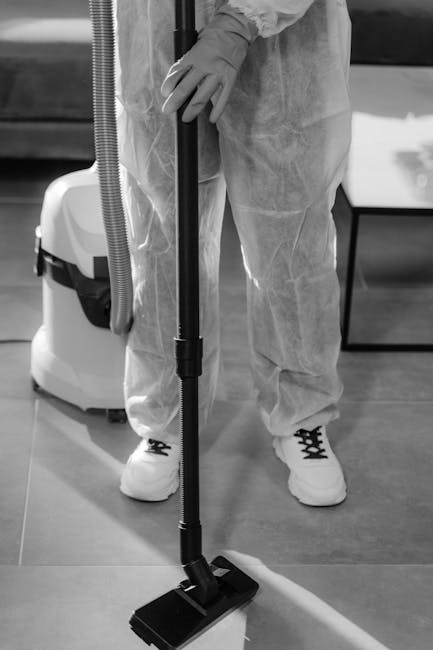
If you are moving out of a flat or house in Epsom, the cleaning job can feel bigger than the move itself. One drawer turns into three. One dusty skirting board turns into a full-blown project. That is exactly why this Epsom residential end of tenancy cleaning guide exists: to help you leave the property in strong condition, reduce avoidable disputes, and make the final inspection much less stressful.
Whether you are a tenant trying to secure a full deposit return, a landlord preparing for new occupants, or a homeowner handing over a property after a long rental period, the key is the same: clean thoroughly, clean methodically, and know what matters most. Below you will find a practical, human-friendly breakdown of what end of tenancy cleaning involves, what to prioritise, and how to avoid the sort of last-minute mistakes that always seem to appear at 9:45 on a moving day.
Why this matters in Epsom
End of tenancy cleaning is not just a nice extra. In residential rentals, it is often the final standard that shapes the handover. If the property has been left with grease on the hob, limescale in the bathroom, stains on carpets, or smudges on glass, it can quickly become a point of friction during check-out. In Epsom, where rental properties range from compact apartments near the station to family homes on quieter roads, expectations can vary a little, but the principle stays the same: the place should be returned in a clean, presentable condition.
The reason it matters so much is simple. Most tenants want a fair final inspection, and most landlords or letting agents want a property that is ready to market again without delay. A proper clean helps bridge that gap. It is also one of those jobs where the details matter more than people expect. A sink may look clean at a glance, yet a close look under the taps or around the plug hole can tell a very different story. Funny how that works, isn't it?
There is also a practical timing issue. Moving day is busy, noisy, and a little chaotic. Boxes are stacked, keys are in your pocket, and the kettle has mysteriously vanished. If cleaning is left too late, you end up rushing. Rushing leads to missed spots. Missed spots lead to re-cleans. And re-cleans, frankly, are nobody's favourite way to spend an evening.
If you are also trying to coordinate carpets, mattresses, or soft furnishings, it can make sense to look at related services such as carpet cleaning, upholstery cleaning, or mattress cleaning when those items need more than a quick surface wipe. For heavier marks or stubborn residues, stain removal can also be worth considering.
How the process works
At its core, end of tenancy cleaning is a top-to-bottom reset of the home. Think of it less like normal weekly cleaning and more like preparing the property for a handover photo shoot. The aim is to remove built-up grime, dust, grease, and limescale from the whole interior so the place feels freshly maintained.
Most residential end of tenancy cleans follow a structured order. That matters because cleaning in the wrong sequence often just moves dirt around. For example, if you mop a floor before dusting high surfaces, the floor may need doing again. A more sensible flow starts at the top of each room and works downward, finishing with floors and final touchpoints.
In practical terms, the process normally includes:
- clearing away loose items and rubbish
- dusting high and hard-to-reach areas
- cleaning kitchen surfaces, appliances and cabinets
- deep cleaning bathrooms and sanitary ware
- wiping doors, switches, frames, and skirting boards
- vacuuming and mopping floors
- spot-treating marks, spills, and light stains
- checking final details in natural daylight if possible
Some homes need extra attention in one or two areas. A property with pets may need odour work and a more serious look at fabrics, which is where pet stain and odour removal can be useful. A home with lots of windows or patio doors may benefit from window cleaning too, because streaky glass can make even a well-cleaned room look tired.
Truth be told, the real difference between an average clean and a great one is not bravery or elbow grease. It is order, patience, and a willingness to check the little things at the end.
Key benefits and practical advantages
A good end of tenancy clean delivers more than a tidy property. It can reduce stress, support a smoother handover, and prevent awkward conversations after you have already handed the keys over. In a market like Epsom, where people often need to move quickly between rentals, that smoothness is worth a lot.
Here are the main advantages:
- Better chance of deposit recovery: A thorough clean helps avoid disputes about hygiene, build-up, and general presentation.
- Faster property turnaround: If you are a landlord or managing a rental, a cleaner property is easier to re-let.
- Less move-out stress: Cleaning is one less thing to worry about when you are already juggling removals, utilities, and forwarding addresses.
- Improved first impression: Natural light shows everything. A properly cleaned home simply feels more cared for.
- Cleaner handover records: Photos taken after cleaning can help show the condition of the property at check-out.
There is also a practical health and safety side to this. Kitchens and bathrooms tend to collect the most moisture, residue, and hidden grime. Deep cleaning these spaces helps remove greasy films, mould-prone residue, and general build-up. If you are dealing with tough appliances or heavily used ovens, a targeted oven cleaning service can save a surprising amount of time and can make the kitchen look dramatically better. Same with steam carpet cleaning when carpets need more than a hoover and a bit of hope.
Who this guide is for and when it makes sense
This guide is for anyone in Epsom who needs to leave a residential property in good condition. That includes tenants at the end of a fixed-term tenancy, people leaving a rental early, homeowners preparing a property for sale after letting it out, and landlords who want a repeatable standard for incoming residents.
It also makes sense if the property has had a few life events along the way. A new baby, a dog, a period of homeworking, a long winter, or a kitchen that has seen more takeaways than home cooking can all create hidden build-up. Nothing dramatic. Just the kind of everyday use that leaves a trail of fingerprints, crumbs, and dull patches behind.
For different situations, the cleaning approach changes a bit:
- Tenants: Focus on the agent's or landlord's inventory standard, paying close attention to kitchens, bathrooms, and floors.
- Landlords: Prioritise speed, durability, and a consistent presentation for the next occupant.
- Families moving home: Split the job room by room so the move itself does not become unmanageable.
- Shared households: Decide early who is responsible for communal spaces, because that is where things often fall apart.
If the property has already been vacated and you are left with clearing items as well as cleaning, a service like house clearance may be more relevant before the clean begins. For a full move-out transition, move out cleaning and move in cleaning are also sensible reference points for the type of standard you are aiming for.
Step-by-step guidance
If you want a clean that stands up to inspection, work methodically. Here is a practical sequence that works well in most Epsom homes, from compact flats to larger family houses.
- Start with a quick reset. Remove bins, food, empty packaging, loose clutter, and any items that are going with you. You cannot clean properly around piles of stuff. Not really.
- Open windows where possible. Fresh air helps lift stale smells and gives you a better sense of what still needs attention. Even 10 to 15 minutes can make a difference.
- Work room by room. Finish one area before moving to the next. That keeps the process manageable and helps you notice what has already been done.
- Clean high surfaces first. Dust coving, tops of cupboards, picture rails, shelves, and light fittings before touching lower areas.
- Move through the kitchen carefully. Degrease the hob, wipe extractor areas, clean cupboard fronts, scrub sinks, and check around handles and splash zones.
- Deep clean the bathroom. Focus on taps, grout, shower screens, toilet bases, limescale, and the areas behind and around the sanitary ware.
- Address floors last. Vacuum carpets and rugs thoroughly, then mop hard floors once dust and debris have been removed.
- Do a final touch-up pass. Check doors, switches, skirting, radiators, and any marks left by furniture or hands.
- Inspect in daylight if you can. Natural light makes streaks, dust, and smears easier to spot than warm indoor lighting does.
Kitchen details deserve special care. An overlooked oven shelf or greasy tile edge can undo a lot of good work. If the appliance is heavily used, professional help for oven cleaning can be the difference between a decent finish and a spotless one. And if carpets are flattened or marked, scheduling carpet cleaning before the final handover is often a smart move.
One small but useful tip: keep a microfibre cloth in your hand during the final walk-through. You will be amazed how many tiny fingerprints show up on white doors, chrome taps, and switch plates once you stop looking at the room as a whole.
Expert tips for better results
The best results usually come from being a bit picky. Not obsessive. Just picky enough to spot the bits other people miss. Here are some practical habits that help.
- Use the right product for the surface. A strong cleaner on the wrong material can leave dull patches, streaks, or damage. Always test first if you're unsure.
- Let products dwell properly. Grease and soap residue need a little time to break down. Wiping too quickly is often the reason dirt stays put.
- Change cloths as you go. A dirty cloth just redistributes grime. That sounds obvious, but in a rush people forget.
- Work from clean to dirty. Saves time and reduces the need to re-clean surfaces you have already done.
- Check awkward points. Behind taps, around oven seals, along skirting, and near radiators are classic miss spots.
- Use a torch or phone light. A sideways light beam is brilliant for catching smears on glass and dust on ledges.
If the property has fabric furnishings, curtains, rugs, or upholstered chairs, do not ignore them. Fabrics hold dust and smells more than hard surfaces do. In many homes, curtain cleaning, rug cleaning, or sofa cleaning becomes the missing piece that makes the whole property feel finished.
And one more thing: don't start with the area that annoys you most. Start with the area that gives you momentum. Once you see one room properly done, the rest of the clean usually feels less like punishment and more like progress.
Common mistakes to avoid
Most end of tenancy cleaning problems are avoidable. They tend to come from rushing, poor sequencing, or assuming a surface is clean because it looks okay from the doorway. A classic error, that one.
Common mistakes include:
- Leaving the kitchen until last: Grease takes time. If you leave it late, you lose momentum and may not finish properly.
- Ignoring light switches and handles: These little touchpoints are often the first thing an inspector notices.
- Cleaning floors too early: Dust falls after you wipe high surfaces, so floors should come near the end.
- Forgetting inside cabinets and drawers: Empty storage spaces still need wiping out.
- Not dealing with limescale: Bathrooms in particular need more than a basic rinse-down.
- Using too much water on delicate surfaces: Some finishes do not love being soaked.
- Skipping the final inspection: The last 10 minutes often matter more than the first hour.
Another mistake is trying to make every surface perfect when some issues really need a specialised approach. For example, a stained sofa or marked carpet may not improve with general cleaning alone. That is where targeted help such as upholstery cleaning or pet stain and odour removal can be more effective than repeating the same wipe-down again and again.
There is a bit of judgement involved. You do not need to make the property look brand new. You do need to make it feel properly cared for.
Tools, resources and recommendations
You do not need a van full of equipment to do a solid end of tenancy clean, but the right tools save time and give better results. A short, sensible kit usually works best.
| Tool or product | Best use | Why it helps |
|---|---|---|
| Microfibre cloths | General wiping and polishing | They lift dust well and reduce streaking |
| Vacuum cleaner with attachments | Carpets, edges, upholstery, corners | Useful for skirting lines and awkward gaps |
| Mop and bucket | Hard floors | Helps remove fine dirt after vacuuming |
| Degreaser | Kitchen surfaces, hob areas, extractor fronts | Breaks down stubborn cooking residue |
| Bathroom cleaner | Sinks, showers, tiles, toilets | Targets limescale and soap residue |
| Soft brushes and detail tools | Grout, seals, edges, fixtures | Helps reach build-up in narrow spaces |
If you are using a professional cleaner, it is sensible to ask what is included, what products they use, and whether they handle specialty items. Some homes need more than a standard top-to-bottom clean. If you have hard floors, for instance, hard floor cleaning may be a better fit than a quick mop. If there are curtains, rugs, or a favourite sofa that has seen better days, then the right fabric or textile service matters too.
For those comparing support options, a broader one off cleaning service may suit a property that needs a serious reset but not a tenancy-specific package. If you want a more general look at the company before booking anything, you can also read about the team on the about us page.
Law, compliance and best practice
End of tenancy cleaning is often discussed as if it were purely about appearance, but there is a compliance side too. In the UK, the tenancy agreement, inventory report, and check-out condition usually shape what is expected. The exact responsibility can vary, so it is wise to read the agreement carefully rather than relying on assumptions or advice from a mate who moved out three years ago and is still convinced everything is "basically fine".
Best practice normally includes:
- returning the property in the agreed condition, allowing for fair wear and tear
- keeping evidence of the property's condition before and after cleaning
- following any inventory checklist provided at move-in
- dealing with damage or exceptional staining separately from standard cleaning
- making sure any contractor you hire has appropriate insurance and clear service terms
It is also sensible to choose a cleaning provider with clear policies around safety, insurance, and payments. If you are booking professional support, pages such as insurance and safety, health and safety policy, payment and security, and terms and conditions are there for a reason. They help set expectations and reduce confusion later.
There is also a sustainability angle worth keeping in mind. Reusing cloths where sensible, choosing the right amount of product, and disposing of waste responsibly all matter. If that is important to you, the site's recycling and sustainability information is a useful reference point.
To be fair, nobody enjoys reading policy pages during a move. But a few minutes now can save a messy conversation later.
Options, methods and comparison table
Most Epsom residents choose between a DIY clean, a partial professional clean, or a full end of tenancy service. The right choice depends on time, property condition, and how much risk you are comfortable carrying into check-out.
| Option | Best for | Pros | Trade-offs |
|---|---|---|---|
| DIY clean | Tidy homes, flexible timelines | Lower cost, full control | Time-consuming, easy to miss details |
| Partial professional clean | Homes needing help in specific rooms or items | Targets the hardest jobs | Requires good planning and clear scope |
| Full end of tenancy service | Busy moves, larger properties, tougher conditions | Consistent finish, less personal effort | Higher upfront spend |
If you are deciding between service types, it can help to think in terms of friction. Where will the inspection most likely focus? What is the messiest part of the property? What do you genuinely not have time for? Those answers usually point you in the right direction.
For example, a two-bedroom flat with dusty carpets and a tired oven may only need targeted help with end of tenancy cleaning, oven cleaning, and steam carpet cleaning. A family house, on the other hand, may need a broader deep cleaning approach with extra attention to bathrooms, windows, and soft furnishings.
Case study example
Here is a realistic example from a typical Epsom rental. A couple leaving a two-bedroom flat near local transport links had kept the home generally tidy, but life had clearly happened there. The oven had baked-on residue, the bathroom had limescale around the tap base, one bedroom carpet had a traffic lane near the bed, and the living-room curtains were holding a bit of stale dust.
Rather than doing everything in one frantic evening, they split the work over two days. Day one was declutter, kitchen, and bathroom. Day two was floors, glass, touchpoints, and a final review in daylight. They also arranged specialist help for the oven and carpets, which turned out to be the smartest part of the plan. The property looked calmer at check-out, smelled fresher, and the final inspection was quicker than they expected.
The lesson is not that every job needs professional input. It is that the difficult items should not be left until the very end. If one part of the home is likely to cause a problem, deal with it early. That little bit of forward planning pays off, every time.
They also had a printed checklist, which sounds basic, but honestly, basic is often brilliant.
Practical checklist
Use this checklist as a last-pass guide before handing back the keys. It is simple on purpose.
- Remove all personal belongings, bins, and leftover food
- Wipe kitchen cupboards inside and out
- Clean the hob, extractor area, sink, and tap fittings
- Scrub bathroom tiles, taps, shower glass, toilet base, and seal lines
- Dust skirting boards, door frames, and light switches
- Vacuum carpets, rugs, and soft furnishings
- Mop hard floors and leave them dry
- Clean windows, mirrors, and visible glass marks
- Check inside wardrobes, drawers, and storage areas
- Look for stains, odours, or marks that need specialist treatment
- Take final photos once the property is fully finished
- Review the inventory or check-out notes against the final condition
If your home includes a lot of fabric or fitted soft furnishings, it may be worth reviewing options like sofa cleaning and curtain cleaning. For stubborn smells or marks, the stain removal page is a sensible place to start before deciding what needs specialist attention.
Quick expert summary: the winning formula is simple: start early, clean in the right order, focus on inspection hotspots, and do not underestimate the impact of carpets, ovens, and bathrooms. Those three areas cause a lot of last-minute panic, but they are all manageable with the right plan.
Get a free quote today and see how much you can save.
Conclusion
A solid Epsom residential end of tenancy cleaning guide is really about confidence. Confidence that you have covered the right rooms, the right surfaces, and the right details. Confidence that the property looks cared for, not merely tidied. And confidence that the final handover will not turn into a guessing game.
Whether you clean the property yourself, book targeted help for the hardest jobs, or arrange a complete end of tenancy service, the biggest win is the same: a calm, organised exit. That is worth a lot when moving day is already full of noise, keys, packing tape, and the faint feeling that one box has gone missing. It usually has.
Take the time to do it properly, and the whole process becomes easier. That is the real payoff.
Frequently Asked Questions
What is included in a residential end of tenancy clean?
A residential end of tenancy clean usually includes kitchens, bathrooms, floors, skirting boards, doors, windows, and general dusting throughout the property. The exact scope can vary, so it is sensible to check what is included before you begin or book a service.
How clean does a property need to be at the end of a tenancy?
It should be returned in the condition agreed in the tenancy documents, allowing for fair wear and tear. In practice, that means clean, presentable, and free from avoidable dirt, build-up, and leftover belongings.
Do I need professional end of tenancy cleaning in Epsom?
Not always. If the property is already in good shape and you have enough time, a careful DIY clean may be enough. If the home is larger, heavily used, or you want to reduce the risk of missing important details, professional help can be very useful.
Which areas are most important in a move-out clean?
Kitchens and bathrooms usually matter most because they show grease, limescale, and residue very quickly. Floors, windows, and any stained soft furnishings are also common inspection points.
How far in advance should I arrange the clean?
Ideally, book or plan it before the final moving day gets too busy. If possible, do the main clean after most items have been removed but before the keys are handed back. That gives you room to fix anything you miss.
Can a clean help with deposit disputes?
It can help reduce them, yes. A thorough clean, paired with photos and a careful review of the inventory, gives you a much stronger position if there is any disagreement about the property's condition.
What should I do if there are stains on carpets or furniture?
Deal with them separately and early. Some marks need targeted treatment rather than general cleaning, which is why services like carpet, upholstery, or stain-specific cleaning may be more suitable than another wipe-over.
Should I clean windows as part of the end of tenancy process?
Yes, if they are accessible and part of the interior standard expected for the property. Clean glass, frames, and visible sills help the whole home look brighter and better cared for.
Is end of tenancy cleaning different from regular house cleaning?
Very much so. Regular house cleaning keeps a home tidy week to week, while end of tenancy cleaning is a deeper reset designed for handover. It usually takes longer and covers more detail.
What if the property has been lived in for years?
Then you may need a more intensive clean, especially if dirt has built up in corners, behind appliances, or on fabrics. A deeper approach is often more realistic than trying to rush through it.
How do I know if I need extra services like oven or carpet cleaning?
Look at the items that attract the most build-up or show obvious wear. Ovens, carpets, rugs, sofas, and curtains often need specialist attention when a standard clean will not quite cut it.
Where can I find more information about service standards and policies?
It is worth checking the provider's own pages on topics like pricing and quotes, insurance and safety, and complaints procedure so you know how they work and what you can expect.
What is the best final step before handing the property back?
Do one last daylight inspection with your checklist in hand. Look for marks, odours, missed dust, and anything that stands out when the room is empty. That last slow look catches far more than people expect.